How Housing Associations Work with Private Property Owners
Why registered providers lease homes from private owners, how those leases are typically structured, and how to check a provider's regulatory standing.
Specialist Housing Investments · 15 October 2026 · 2 min read
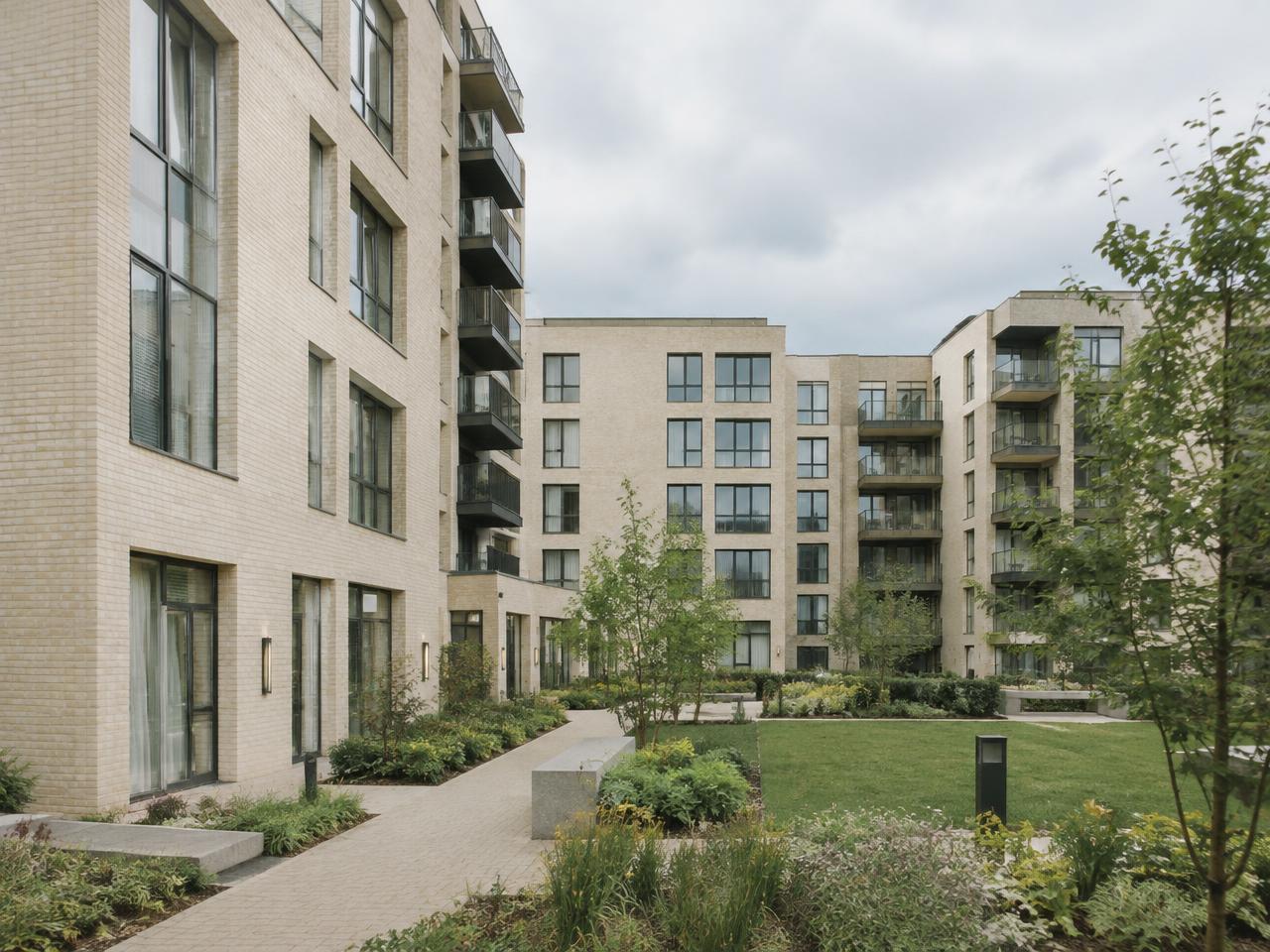
Housing associations are independent, not-for-profit organisations that provide affordable and supported homes. Together with other organisations registered with the Regulator of Social Housing, they are known as registered providers of social housing.
Why providers work with private owners
Registered providers need homes in specific locations to meet local demand, including demand from local authorities and NHS commissioners for supported housing. Developing new homes takes time and capital. Leasing completed properties from private owners allows a provider to secure accommodation without buying it outright.
Profit and non-profit providers
Not all registered providers are housing associations. The register includes non-profit providers, which make up most of the sector, and for-profit registered providers. Both are subject to the regulator's standards, but the regulator's requirements differ in some respects. Investors should establish exactly which type of organisation they would be dealing with.
Common lease structures
Arrangements vary, but frequently include:
- A long lease, sometimes of 20 years or more.
- Rent payable to the owner, often reviewed annually and sometimes linked to an inflation index such as CPI.
- A full repairing and insuring (FRI) obligation on the provider, or a split of responsibilities set out in the lease.
- In some cases, an intermediary company between the owner and the provider.
Not every arrangement involves a direct lease with a housing association or local authority. The structure for each property should be confirmed from its documentation.
What the regulator has said
The Regulator of Social Housing has published commentary on lease-based providers. It has highlighted that long leases with inflation-linked rent increases can create risks if a provider's own income, which depends largely on Housing Benefit and local authority commissioning, does not keep pace. It has also highlighted risks where small providers hold large numbers of leases relative to their size. Several lease-based providers have been found non-compliant with the regulator's governance and financial viability standard.
How to check a provider
- Search for the provider on the regulator's list of registered providers on GOV.UK.
- Read the provider's latest regulatory judgement, if one has been published, and its grading for governance and viability.
- Review the provider's published annual accounts, available from Companies House or the Financial Conduct Authority's Mutuals Public Register, depending on how it is constituted.
- Ask how many properties the provider leases, and on what terms.
Sources
Regulator of Social Housing: list of registered providers, regulatory judgements and sector risk publications, all published on GOV.UK.
Property investment involves risk. Rental income is dependent on contractual arrangements and the performance of the relevant counterparty. Returns are not guaranteed, and property values can fall as well as rise. Investors should undertake independent legal, financial and property due diligence before proceeding.
Further reading: How it works · FAQs