How Does Supported Living Property Investment Work?
From reviewing an opportunity to receiving rent: the practical stages of owning a supported living property, and the documents that matter at each one.
Specialist Housing Investments · 30 September 2026 · 2 min read
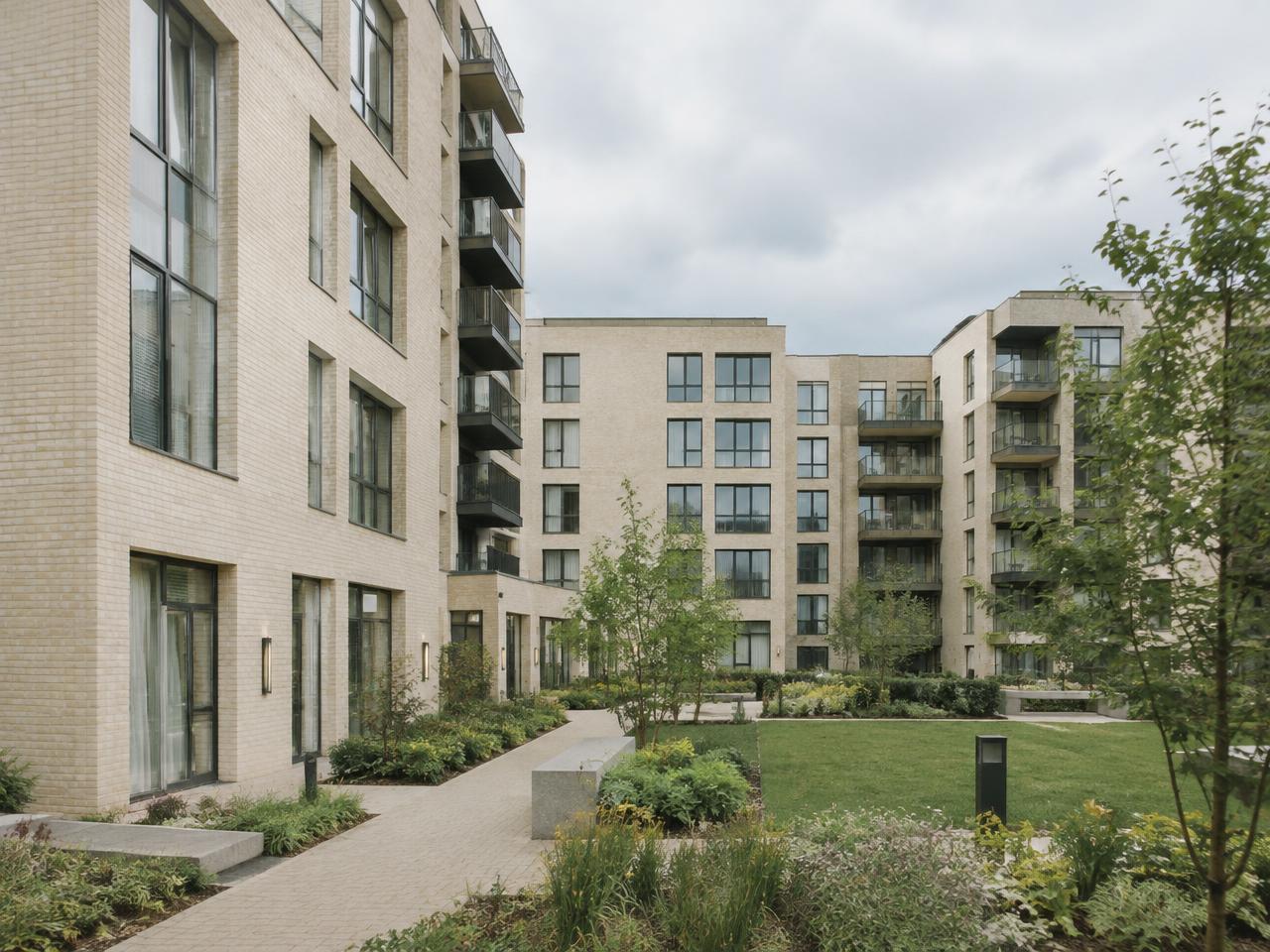
Supported living is a model in which people with support needs live in ordinary homes, with care or support provided separately from the accommodation. For an investor, owning a supported living property follows the same legal process as buying any residential freehold, with one significant difference: the property is let under an agreement with an organisation rather than to individual tenants.
Stage 1: Reviewing an opportunity
Before committing, an investor should obtain and read:
- The proposed lease or rental agreement in full, not a summary.
- The identity of the tenant organisation, including whether it is a registered provider of social housing.
- The rent, how and when it is reviewed, and any caps or collars.
- Which party is responsible for repairs, maintenance, insurance and compliance (such as gas and electrical safety).
- What happens at the end of the term and whether either party can end the agreement early.
Stage 2: Purchasing the freehold
The purchase proceeds through standard conveyancing in England and Wales. Your solicitor will carry out local authority, environmental and drainage searches, review title at HM Land Registry, and raise enquiries with the seller's solicitor. Because the property will be sold subject to a lease, your solicitor should also review the lease itself and report on it.
Investors buying an additional residential property will normally pay Stamp Duty Land Tax (SDLT) at the higher rates for additional dwellings. From 31 October 2024, the surcharge on additional dwellings in England and Northern Ireland is 5 percentage points above the standard residential rates. Your solicitor or tax adviser should confirm the correct liability, as the treatment can depend on the circumstances of the purchase.
Stage 3: Completion and the lease
On completion, legal title transfers to you and the property is held subject to the lease. The rent becomes payable to you in accordance with the lease terms. You should receive copies of all completion documents, including the registered title and the lease.
Stage 4: Ongoing ownership
As the owner, you remain responsible for the obligations the lease leaves with you. Under a full repairing and insuring (FRI) lease, the tenant organisation is responsible for repairs and insurance, but the owner retains an interest in ensuring those obligations are met.
Rental income from property is subject to Income Tax for individuals, and must be reported to HM Revenue and Customs, normally through Self Assessment. Allowable expenses can be deducted when calculating taxable profit.
Stage 5: The end of the lease
When the lease ends, options may include renewing with the same provider, agreeing a new lease with another provider, letting the property on the open market or selling it. A property adapted for supported living may need alteration before it suits a different use. None of these outcomes is guaranteed.
Sources
HM Revenue and Customs guidance on Stamp Duty Land Tax and on renting out property; HM Land Registry.
Property investment involves risk. Rental income is dependent on contractual arrangements and the performance of the relevant counterparty. Returns are not guaranteed, and property values can fall as well as rise. Investors should undertake independent legal, financial and property due diligence before proceeding.
Further reading: How it works · FAQs